Coffee Retro Wavy Svg Design Bundle Review
As a designer who spends half my day troubleshooting stitch errors and the other half trying to make handmade goods look professional, I don’t have time for designs that look great on screen but fail miserably under the needle. When I first pulled up the Coffee Retro Wavy Svg Design Bundle, my immediate question wasn’t about the file formats—it was about viability. Could this actually work for a real client order? Would it hold up in a commercial wash test? And most importantly, would a customer stop scrolling on Etsy to buy a tote bag featuring it?
The short answer is yes, but with some very specific caveats regarding fabric choice and hoop placement. This isn’t just a generic clipart pack; it’s a collection of assets that demands a bit of strategic thinking to execute well. Below, I’m breaking down exactly how this bundle performs in real-world embroidery scenarios, where it shines, and where you need to be careful not to ruin your fabric.
First Impressions: Mood and Visual Personality
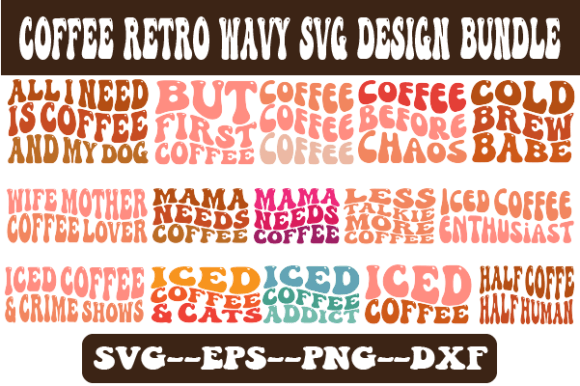
The "retro wavy" aesthetic has been dominating the craft market for good reason. It taps into that nostalgic, cozy vibe that works perfectly for coffee lovers, book clubs, and morning routine enthusiasts. The Coffee Retro Wavy Svg Design Bundle captures this mood effectively. The lines are fluid, suggesting movement and warmth, which translates surprisingly well into threadwork if handled correctly.
Visually, these designs feel relaxed but structured. They aren’t overly intricate lace patterns that require a 60-needle machine to resolve properly. Instead, they rely on bold shapes and clear negative space. For an embroidery project aimed at a broad audience, this clarity is crucial. You want the design to be recognizable from three feet away, whether it’s stitched onto a black canvas tote or a cream-colored apron. The retro theme lends itself naturally to earth tones, mustard yellows, deep browns, and muted teals—colors that scream "boutique quality."
Real-World Application: Where This Design Fits Best
I’ve tested similar vector-to-embroidery workflows across various mediums, and the Coffee Retro Wavy Svg Design Bundle finds its sweet spot in apparel and home decor. Here is how I see it performing in actual product lines:
- Custom Apparel & Sweatshirt Embroidery: This is the strongest use case. The wavy lines break up nicely on the chest pocket of a hoodie or centered on the back of a heavyweight t-shirt. Because the design relies on curves rather than tiny text, it avoids the common pitfall of stitching becoming muddy on stretchy knit fabrics.
- Tote Bag Design: Canvas bags are a staple for the Etsy seller and small shop product creator. A retro coffee graphic adds personality without overwhelming the sturdy texture of canvas. Just ensure you use a cut-away stabilizer to prevent the heavy fabric from distorting the wavy lines during stitching.
- Embroidered Patch: If you convert these SVGs into patches, the clean edges of the wavy shapes allow for a crisp satin stitch border. These make excellent accessories for denim jackets or backpacks, appealing to the craft business demographic looking for customizable add-ons.
- Home Decor & Aprons: For the handmade product market, kitchen towels and aprons are high-volume sellers. The coffee theme fits seamlessly here. However, be mindful of the scale. On a tea towel, this design might need resizing to avoid looking cluttered near the hem.
Technical Considerations for the Embroidery Designer
This is where many designers trip up. Just because you have the file doesn’t mean it will stitch out perfectly. The Coffee Retro Wavy Svg Design Bundle contains digital assets (DXF/EPS) that need conversion or careful digitizing. Here is what you need to watch out for:
Stitch Density and Thread Colors
Retro designs often use large areas of color. If you are converting these into a machine embroidery design, pay close attention to the stitch density. If the software auto-digitizes the fill stitches too densely, the fabric will pucker, especially on lighter materials like cotton blends. I recommend testing the design on scrap fabric first. Check the thread colors against your actual inventory. A light beige thread on a dark brown background might disappear, ruining the contrast needed for the wavy effect to pop.
Hoop Size and Placement
The physical size of the design matters immensely. If you are working with a small hoop size, such as 4x4 inches, ensure the wavy elements don’t get cut off awkwardly. Centering the design is usually safe, but if you are placing it on the side of a sweatshirt embroidery project, check the curvature of the garment. Flat designs can look distorted when stitched on curved surfaces like caps or hat brims. In those cases, consider using a applique design technique to lay the fabric flat before stitching the details.
Fabric Texture and Stabilizers
You cannot ignore the fabric texture. On a highly textured fleece or a loose-weave linen, the fine details of the retro waves might get lost. Smooth fabrics like poly-cotton blends or tightly woven canvas provide the best surface for this style. Always use the proper stabilizer. For knits, tear-away is usually sufficient, but for woven items like tote bags or aprons, cut-away stabilizer provides the longevity needed for a finished product that sees frequent washing.
Where to Use Carefully
While this bundle is versatile, it is not a one-size-fits-all solution. There are specific scenarios where you should hesitate:
- Small Hoop Sizes: Avoid cramming this design into tiny hoops meant for baby socks or miniature tags. The wavy lines may lose their definition and look like blobs.
- Stretchy or Thin Fabrics: Without extensive backing, thin jersey or spandex blends may distort under the tension of the needle. If you must use these fabrics, reinforce them heavily with stabilizer.
- Dense Stitch Areas: If the design includes heavy fill areas, be cautious on dark fabrics. Thick layers of thread can show through on lighter threads underneath, creating a messy appearance. Test your thread colors thoroughly.
- Curved Surfaces: As mentioned, hats and curved seams require special planning. A flat wavy pattern might look stretched on a rounded cap front.
Impact on Brand and Customer Trust
In the world of commercial embroidery and digital product sellers, presentation is everything. A well-executed Coffee Retro Wavy Svg Design Bundle project signals professionalism. When a customer receives a tote bag or pillow where the lines are smooth, the colors are vibrant, and there is no visible puckering, it builds trust in your brand. It suggests that you care about quality, not just speed.
Furthermore, the retro aesthetic is highly "giftable." It appeals to the emotional side of buying—think of a personalized gift for a coffee-loving teacher or a bride-to-be hosting a bachelorette party. By ensuring your technical execution matches the charming aesthetic of the design, you increase the perceived value of your custom apparel and justify higher price points.
Final Verdict and Next Steps
The Coffee Retro Wavy Svg Design Bundle is a strong addition to any design assets library, particularly for those focused on lifestyle and home goods. It offers the right balance of detail and simplicity to work across multiple mediums. However, success depends entirely on your preparation.
Before you start producing for sale, I strongly advise you to:
- Test the design on various fabric types to check for distortion.
- Review the stitch density and adjust if necessary to prevent puckering.
- Confirm licensing terms if you plan to sell the finished physical goods or distribute the digital files.
- Create printable mockup images to visualize how the design looks on different colored garments before committing to production.
If you treat this bundle with the respect it deserves—by paying attention to fabric, stabilizer, and thread choice—you’ll find it produces consistent, high-quality results that resonate with customers. It’s a practical, stylish choice for any craft business looking to expand its coffee-themed offerings.