Cool Little Dude Baby Retro Wavy Svg Review
As a designer who spends more time than I care to admit staring at stitch patterns and debating thread tension, I approach every new file with a healthy dose of skepticism. The market is flooded with generic clipart disguised as embroidery designs, so finding something that actually translates well from screen to fabric is rare. That is why I decided to put Cool Little Dude Baby Retro Wavy Svg through its paces. This isn’t just about how it looks in a preview window; it is about whether this design holds up when it is being stitched onto a real product that a customer will buy, wash, and use.
The title alone suggests a specific vibe: playful, nostalgic, and undeniably trendy. The "retro wavy" aesthetic taps into the current obsession with 70s-inspired typography and distorted shapes, which has been dominating craft fairs and Etsy shops for the last year or two. But does the execution match the hype? Let’s break down what makes this design work, where it shines, and where you might want to proceed with caution.
First Impressions and Visual Personality
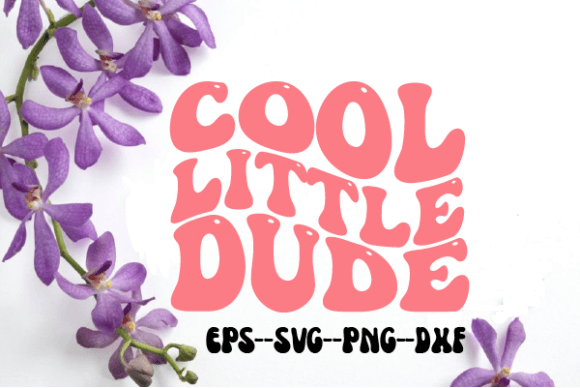
When I first loaded the files—which include DXF, EPS, and SVG formats—into my digitizing software, the immediate takeaway was the clean geometry. The "Cool Little Dude" theme usually implies a character or a stylized text element, and in this case, the wavy distortion adds a dynamic energy that feels modern rather than dated. It captures that effortless, laid-back attitude that parents love for nursery decor and baby apparel.
From a branding perspective, this design screams handmade product authenticity. It doesn’t look like a mass-produced factory stamp; it looks like something created by a maker who understands visual balance. The curves are smooth enough to read clearly but complex enough to show off the quality of your stitching. It creates a mood that is both fun and sophisticated, making it versatile enough for a boutique gift shop or a personal keepsake.
Real-World Application: The Tote Bag Test
To really test the viability of Cool Little Dude Baby Retro Wavy Svg, I imagined a specific scenario: creating a custom embroidered tote bag for a newborn shower gift. This is a high-stakes project because tote bags often involve textured fabrics like canvas or cotton duck, which can eat away at fine details.
In this context, the design performs surprisingly well. The bold lines of the retro wave pattern stand out against neutral backgrounds. If I were stitching this on a natural canvas tote, I would likely choose a high-contrast thread color, perhaps a deep navy or forest green, to make the white negative space pop. The design works beautifully as a standalone focal point, meaning it doesn’t need excessive embellishment to look complete. It fits perfectly into the category of custom apparel accessories, bridging the gap between utility and style.
However, if you are considering using this for sweatshirt embroidery or heavier garments, the scale becomes critical. The wavy elements need room to breathe. On a large chest area, the design might feel sparse unless scaled up significantly. In those cases, pairing it with complementary graphics or larger fill stitches could help balance the composition.
Where This Design Shines
This file is particularly strong in applications where the fabric is relatively flat and stable. Here are a few scenarios where Cool Little Dude Baby Retro Wavy Svg truly excels:
- Baby Clothes: The soft, rounded waves complement the delicate nature of infant wear without looking overly complicated. It works wonderfully on onesies, burp cloths, and receiving blankets.
- Pillow Covers: For nursery decor, this design adds a touch of personality without overwhelming the room. It pairs easily with solid-colored linens, allowing the embroidery to be the star.
- Kitchen Towels and Aprons: The retro theme fits seamlessly into modern farmhouse or bohemian kitchen aesthetics. It’s a great way to add a personalized touch to a personalized gift.
- Etsy Seller Listings: As a digital asset or a physical print, this design appeals to buyers looking for unique, non-generic items. It helps differentiate your shop from competitors selling standard clipart.
Practical Embroidery Designer Notes
Before you rush to start stitching, there are several technical considerations that separate a professional finish from a amateur one. Having reviewed many similar files, I have learned that success lies in the preparation.
First, always test the design on scrap fabric before committing to your final product. Different fabrics react differently to stabilizers and needle penetration. A fabric that looks smooth on the table might pucker once hooped, especially with dense fill areas. Check your stitch density carefully; if the design is too dense for the fabric weight, it will become stiff and uncomfortable to wear.
Secondly, pay close attention to thread colors. The retro wavy theme relies on contrast. If you are using dark fabric, ensure your thread choice provides enough visibility. Conversely, light threads on light fabric might get lost, diminishing the impact of the design. I recommend running a quick black-and-white mockup to check the value contrast before threading your machine.
Another critical step is inspecting small details. While the main shape is bold, any tiny accents or lettering within the design should be legible after stitching. If the design includes thin lines, consider simplifying them or increasing the spacing to prevent thread breaks. Also, confirm the hoop size requirements early on to ensure your machine can accommodate the design without awkward re-hooping.
Areas Caution Is Required
Not every surface is suitable for this design. Be careful when attempting to stitch this on textured fabrics like terry cloth or thick fleece, as the texture can distort the wavy lines. Similarly, avoid using this on stretchy fabric without proper stabilization, as the waves may warp during the washing process. Curved surfaces like caps or hats require precise placement and possibly a curved hoop adapter to maintain the integrity of the wave pattern.
Additionally, if you plan to sell finished products, review the licensing terms thoroughly. While the file includes DXF, EPS, and SVG formats, which are useful for cutting or sublimation, ensure you have the right to sell the final embroidered item. Some designs are intended for personal use only, and violating these terms can lead to serious legal issues for your craft business.
Final Verdict on Commercial Potential
Overall, Cool Little Dude Baby Retro Wavy Svg is a solid addition to any designer’s library. It hits the sweet spot between trendy and timeless, making it a safe bet for commercial embroidery projects. It enhances visual appeal and contributes to a polished brand consistency that customers trust.
For Etsy sellers and small shop owners, this design offers high perceived value. It allows you to create premium-looking items that justify higher price points. Whether you are making embroidered patches, tote bag designs, or holiday embroidery gifts, this file provides a reliable foundation for creativity.
Remember, the best embroidery comes from thoughtful execution. Use this design as a springboard for your own ideas, experiment with different thread types like metallics or variegated silks, and always prioritize the quality of your finishing touches. When done right, Cool Little Dude Baby Retro Wavy Svg can transform a simple piece of fabric into a cherished keepsake.
If you are looking to expand your range of design assets and attract a younger, trend-conscious demographic, this file is worth the investment. Just keep your eye on the details, respect the fabric, and let the design speak for itself. Happy stitching!