Lucky with Plaid Clover Review
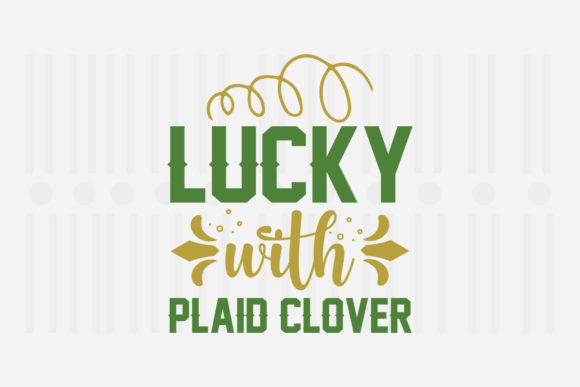
As a designer who spends half my life staring at stitch charts and the other half trying to sell finished goods, I have developed a healthy skepticism toward new digital assets. The market is flooded with generic clover motifs, especially around March. However, when I first pulled up Lucky with Plaid Clover, St. Patrick s, it stopped me in my tracks. It isn’t just another clip-art shamrock; it has a distinct personality that screams "boutique quality." Today, I want to walk you through how this design actually performs on the hoop, not just in a preview window.
The First Impression: Mood and Visual Weight
From a pure aesthetic standpoint, the plaid pattern integrated into the clover shape is smart. It moves away from the cliché of solid green shapes and taps into the cozy, rustic vibe that dominates home decor right now. The visual weight of the design feels balanced. It isn’t so dense that it will pucker delicate fabrics, yet it has enough fill area to hold its own against bold typography or other graphic elements.
The layout suggests versatility. It works as a standalone statement piece for a large chest embroidery but also serves well as an accent detail on smaller items. For those of us creating handmade products, this balance is crucial. You want something that looks intentional, not accidental. This design feels intentional. It bridges the gap between traditional Irish heritage symbols and modern, trendy textile patterns like buffalo check or tartan.
Real-World Application: Where Does This Fit?
I recently had a scenario where I needed to create a cohesive line for a small craft fair booth. The theme was "Spring Farmhouse." I decided to test Lucky with Plaid Clover, St. Patrick s on a few different substrates to see how it translated from screen to fabric.
First, I looked at custom apparel. On a heather grey sweatshirt, the plaid details popped beautifully. Because the design allows for easy color changes, I was able to swap the standard bright green for a muted sage or a deep forest green, which instantly elevated the look from "costume" to "fashion." This is a critical feature for any serious embroidery project. If you are selling custom apparel, your customers don’t want to look like they are wearing a uniform. They want unique, tailored aesthetics. The fact that this is a digital embroidery file with 100% color changeability means you can match any brand palette without needing a separate file.
I also tested this on a canvas tote bag. The sturdy fabric held the stitches well, and the plaid lines remained crisp even after washing. This makes it an excellent candidate for a tote bag design aimed at shoppers who appreciate artisanal goods. Furthermore, because the source files include SVG and EPS formats, I could easily drop this into a mockup generator to create printable mockups for my Etsy listing before I even stitched a single thread. This saved me hours of photography time.
Beyond Apparel: Home Goods and Gifts
While t-shirts are obvious, the real money often lies in home goods. I envision this design thriving on kitchen towels, aprons, and pillow covers. The plaid motif pairs naturally with linen and cotton textures. Imagine a set of matching tea towels for a housewarming gift—this would add a touch of whimsy without being overwhelming. It fits perfectly into the category of a personalized gift that feels thoughtful and curated.
For Etsy sellers and small shop product creators, this design offers high perceived value. It doesn’t look cheap. When a customer sees a well-executed plaid clover, they associate it with higher quality materials and better craftsmanship. This directly impacts buyer engagement and reduces return rates because the product matches the expectation set by the digital preview.
Technical Considerations and Pitfalls
No design is perfect, and as a reviewer, I need to be honest about where this might struggle. While Lucky with Plaid Clover, St. Patrick s is robust, it requires careful planning depending on your output.
- Hoop Size Limitations: Do not attempt to shrink this down to a tiny 2x2 inch hooping area if you want the plaid texture to remain visible. At very small sizes, the individual threads of the plaid may merge into a muddy blob. Keep this in mind if you are considering it for baby embroidery on onesies; you might need to simplify the design or use it as a secondary accent rather than the main focal point.
- Fabric Texture: Avoid using this on highly textured fabrics like bouclé or thick waffle weaves unless you are experienced with stabilizers. The intricate lines of the plaid require a smooth surface to register clearly. On stretchy fabrics, such as thin jersey knits, ensure you are using a proper tear-away or cut-away stabilizer to prevent distortion during stitching.
- Color Contrast: Since the design relies on shading and pattern variation, low contrast between the thread and the fabric will kill the effect. Dark green thread on dark green fabric will result in a flat, invisible image. Always test thread colors against your specific fabric swatch.
Designer’s Checklist Before Production
Before you upload this to your production queue, here is my practical advice for ensuring success:
- Test on Scrap Fabric: Never run a full production batch without a test stitch. Check for tension issues, especially in the dense areas of the clover leaves.
- Review Stitch Density: Look at the underlay stitches. Are they appropriate for the fabric type? Too much density can make a soft hoodie feel stiff and cardboard-like.
- Black and White Mockup: Convert your design to grayscale in your editing software. This helps you see if the visual hierarchy holds up without the distraction of color. If the plaid disappears in black and white, it might lack definition.
- Confirm Licensing: Although the description mentions it is ready for commercial use, always double-check the specific license terms provided by the creator. Ensure you have the right to sell physical goods made from this machine embroidery design.
- Stabilizer Choice: Match your stabilizer to your garment. A heavy-duty cut-away is best for caps and bags, while a lighter tear-away might suffice for woven cotton shirts.
Final Verdict
Lucky with Plaid Clover, St. Patrick s is a standout asset for anyone in the craft business. It combines seasonal relevance with timeless design trends. It is versatile enough for commercial embroidery projects but charming enough for personal gifts. The ability to change colors easily and the availability of vector source files make it a practical choice for modern designers.
If you are looking to add a touch of sophistication to your St. Patrick’s Day collection, or simply want a year-round symbol of luck that feels fresh, this is a strong contender. Just remember: the design is only as good as the execution. Take your time with setup, choose your threads wisely, and let the quality of the finish speak for itself. For apparel decorators and creative entrepreneurs alike, this is a tool worth adding to your library.