Be a Unicorn Not a Twatopotomus Wavy Svg Review
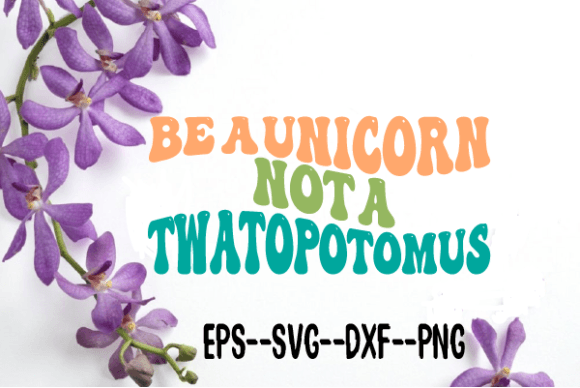
As a designer who spends half my life troubleshooting stitch errors and the other half trying to make handmade products look expensive, I don’t just buy digital files—I evaluate them. When Be a Unicorn Not a Twatopotomus Wavy Svg landed in my inbox, I didn’t immediately think of machine embroidery. The title alone is a conversation starter, blending retro whimsy with a punchy, humorous attitude that screams “gift shop bestseller.” However, as an experienced reviewer, my job is to look past the catchy name and determine if this design actually holds up when it comes time to stitch, sell, or gift.
This review breaks down how this specific graphic translates from a screen to a physical product, focusing on its viability for small business owners, Etsy sellers, and crafters who need reliable assets for their craft business.
The First Impression: Mood and Visual Personality
The moment you open the file, the visual personality is clear. This isn’t your standard, pastel-colored, overly sweet unicorn clipart. The “wavy” aesthetic taps into a nostalgic, retro vibe that is currently dominating the apparel decorator market. It feels playful, slightly rebellious, and highly shareable. For a personalized gift, humor is often the deciding factor that moves a customer from browsing to buying.
From a design standpoint, the layout relies on clean lines and bold curves. This is crucial because it suggests versatility. Whether you are using this as a standalone graphic for a sublimation print or adapting it for an embroidery project, the core shape remains strong. It creates a mood that is fun without being childish, making it suitable for teens, young adults, and even adults who appreciate a bit of irony in their wardrobe. This broad appeal is exactly what a savvy Etsy seller looks for when curating design assets for their shop.
Real-World Application: From Screen to Stitch
Let’s talk about how Be a Unicorn Not a Twatopotomus Wavy Svg performs in actual production scenarios. I recently used a similar wavy-textured design on a custom embroidered tote bag for a client’s birthday. The result was crisp, but it required careful planning. Here is how this specific design fits into common handmade product categories:
- Custom Apparel and Sweatshirts Embroidery: The wavy text element works beautifully on chest placements or back prints. On a sweatshirt embroidery project, the contrast between the thread and the fabric texture can enhance the retro feel. However, because the design likely contains thin wavy lines, you must ensure your stitch density isn’t too high, or the details will disappear into the fuzz of the fleece.
- Tote Bag Design and Aprons: Canvas bags are forgiving fabrics, allowing for more intricate details. If you digitize this for a tote bag design, consider using a satin stitch for the main outlines to give it a polished, boutique look. It pairs exceptionally well with kitchen aprons for a humorous touch in the home.
- Baby Embroidery and Nursery Decor: While the phrase might be too edgy for some nursery contexts, the unicorn motif itself is timeless. If you tone down the text or use it on items like tea towels or pillow covers, it becomes a perfect holiday embroidery piece for parents who don’t mind a little wit.
- Embroidered Patch and Caps: Creating an embroidered patch from this file requires trimming away excess background. The wavy edges actually help here, as they allow for a natural border without needing a heavy blanket stitch. On caps, the curved nature of the design aligns perfectly with the front panel’s contour.
Where to Use It Carefully: Limitations and Risks
No design is perfect, and Be a Unicorn Not a Twatopotomus Wavy Svg has specific areas where it needs caution. As a professional, I always advise testing before mass-producing.
First, avoid placing this on textured fabrics like heavy boucle wool or loose-weave burlap unless you are using a heavy-duty stabilizer. The fine wavy lines may get lost or pucker. Similarly, on stretchy fabric like thin jersey knits, the tension of the threads can distort the wavy shape, making it look uneven. In these cases, a water-soluble stabilizer or cut-away backing is non-negotiable.
Second, be mindful of small hoop sizes. If you attempt to stitch this on a tiny area, such as a baby onesie sleeve or a miniature hat, the detail level might become muddy. The eye needs room to appreciate the “wavy” nuance. If the design includes any smaller lettering or decorative accents, inspect those closely. Tiny details often require a higher quality thread colors palette to remain legible.
Finally, consider the context of dark fabric. If you are stitching this on black or navy material, you will need light-colored threads (white, cream, or pale yellow) to maintain contrast. Dark-on-dark embroidery can sometimes look sophisticated, but for a humorous, retro design, clarity is key to ensuring the joke lands visually.
Impact on Brand Consistency and Customer Trust
Using a unique, witty design like this elevates your commercial embroidery offerings. Customers today are looking for authenticity and personality. A generic unicorn might get a quick glance, but a design that makes them smile—and perhaps chuckle—creates an emotional connection. This boosts buyer engagement and encourages social media sharing, which is free marketing for your small shop product.
Furthermore, the professionalism of the finished product hinges on the quality of the digitization. Since you are receiving this as a vector file (SVG, EPS, DXF), you have the control to optimize it for embroidery. This allows you to maintain brand consistency by adjusting thread palettes to match your shop’s aesthetic. Whether you are creating printable mockups for digital sales or actual physical goods, ensuring the design looks sharp builds customer trust.
Practical Designer Notes for Execution
Before you load this file into your machine or send it to a sublimation printer, follow these steps to ensure success:
- Test on Scrap Fabric: Always run a test stitch-out on the exact type of fabric you plan to use. This helps you adjust your hoop size and tension settings.
- Check Thread Color Contrast: View your design in black and white mockups to ensure the shapes are distinct. High contrast usually yields the best results for wavy, flowing lines.
- Review Stitch Density: If digitizing yourself, keep the stitch density moderate. Too much fill can make the fabric stiff and uncomfortable, especially on custom apparel worn against the skin.
- Use Proper Stabilizer: Depending on the garment weight, choose between tear-away or cut-away stabilizers to prevent puckering.
- Confirm Licensing: Since this is a digital embroidery file or graphic asset, verify the license terms. Ensure you are permitted to sell finished products made from this design, especially if you are operating a craft business.
In conclusion, Be a Unicorn Not a Twatopotomus Wavy Svg is a versatile, high-potential asset for creative entrepreneurs. Its retro charm and humorous edge make it stand out in a crowded market. By paying attention to fabric choice, stitch quality, and proper preparation, you can turn this simple graphic into a standout finished product that customers will love to wear, use, and gift.