Create and Caffeinate Retro Wavy Svg Review
As a designer who spends half the day tweaking stitch paths and the other half worrying about thread tension, I don’t just buy digital files; I evaluate them for viability. When I first laid eyes on Create and Caffeinate Retro Wavy Svg, my initial reaction wasn’t about the text itself, but about the silhouette. In the world of machine embroidery, wavy typography is a double-edged sword. It looks fantastic in vector form, but it can easily turn into a tangled mess if the underlay isn’t right or if the fabric choice is too unstable.
This design falls squarely into the Crafts and Graphics categories, specifically targeting small business owners and Etsy sellers who need reliable assets. The description notes that you get a DXF and an EPS file, which immediately raises an eyebrow for anyone looking for a ready-to-stitch machine embroidery file (like PES or DST). However, assuming this is being used as a base for digitizing or for sublimation transfers that might be heat-pressed onto garments before stitching accents, the visual potential is undeniable. Let’s break down how this design holds up when we move from screen to hoop.
The First Impression: Mood and Visual Personality
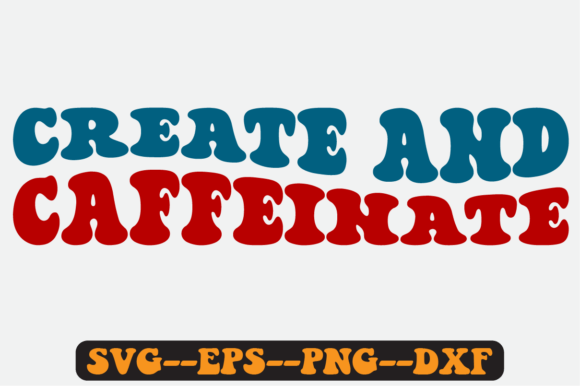
The "Create and Caffeinate" phrase is a staple in creative circles, but the execution here matters. The retro wavy font evokes a specific nostalgia—think late 60s or early 70s psychedelic influences but cleaned up for modern minimalism. It feels relaxed, approachable, and distinctly handmade. This isn’t corporate; it’s boutique.
Visually, the wave creates a natural flow that guides the eye across the design. For an embroidery project, this curvature offers a nice challenge. Unlike straight block letters, which can look stiff, the waves allow for interesting thread placement. If you are planning to use fill stitches, the curves provide a dynamic canvas. If you opt for applique, the wavy edges create soft, organic shapes that contrast beautifully with structured fabrics like denim or canvas. The mood is cheerful without being loud, making it versatile enough for a morning routine gift or a professional studio branding piece.
Real-World Application: From Screen to Stitch
Let’s talk about where this design actually lives in your inventory. I envision Create and Caffeinate Retro Wavy Svg performing exceptionally well on custom apparel and tote bags. Imagine a heavy-weight cotton canvas tote bag in a muted sage green, featuring this design stitched in a contrasting cream or mustard yellow thread. The retro vibe pairs perfectly with the utilitarian nature of a tote, creating a product that feels both functional and fashionable.
For small business merchandise, this design shines on sweatshirts and hoodies. The wavy text allows for a larger footprint without feeling cluttered. You could place this across the chest of a crewneck sweatshirt, using a satin stitch outline to define the letters against a textured fleece background. The result is a high-value item that customers associate with comfort and creativity. It’s the kind of product that sells well at craft fairs because it tells a story about the wearer’s lifestyle.
Beyond apparel, consider its application on home goods. A pillow cover made of linen or a soft velvet would elevate this design. The retro aesthetic fits seamlessly into bohemian or mid-century modern decor trends. Similarly, kitchen towels made of thick cotton or flannel would benefit from the durability and visual appeal of this motif. It transforms a basic utility item into a personalized gift, increasing its perceived value significantly.
Technical Considerations and Fabric Constraints
While the design is visually strong, practical embroidery requires caution. Not every surface is created equal, and Create and Caffeinate Retro Wavy Svg has specific constraints you must respect to avoid frustration.
- Fabric Texture and Stability: Avoid using this design on highly textured fabrics like chunky knits or bouclé unless you are using a substantial stabilizer. The waves may distort if the fabric stretches during stitching. Thin fabrics, such as lightweight jersey or silk, require careful hooping and likely a cut-away stabilizer to prevent puckering. The density of the design will pull thin materials, so test on scraps first.
- Small Hoop Sizes: If you are working with a limited hoop size, pay close attention to the letter spacing. Wavy fonts often require more width than they appear to have in vector previews. Ensure that the negative space between the waves remains clear after stitching, or the design will look muddy.
- Curved Surfaces: Applying this to caps or hats presents a unique challenge. The wave pattern must align with the curve of the cap panel. If the design is too wide, it may wrap awkwardly around the sides. For embroidered patches intended to be sewn onto curved items, ensure the backing is stable enough to hold the shape.
- Dense Stitch Areas: If you plan to use fill stitches for the letters, check the stitch density. Too much density on a wavy shape can cause the thread to bunch up in the valleys of the waves. A running stitch or a lighter satin stitch might offer better clarity and a more delicate finish, especially on baby clothes or delicate nursery decor.
Color Strategy and Thread Selection
The success of any embroidery project hinges on thread color contrast. With a retro theme, you have a lot of freedom, but some combinations work better than others. High contrast is key for readability. If you choose a dark fabric, light threads like white, pale pink, or pastel blue will make the wavy lines pop. Conversely, on light fabrics, deeper tones like navy, burgundy, or forest green will provide the necessary definition.
Consider using metallic threads sparingly for outlines to add a touch of luxury, particularly for wedding gifts or boutique branding. However, avoid using metallics for large fill areas, as they can shred the needle and tangle frequently. For a truly professional finish, stick to polyester or rayon threads known for their sheen and strength. Test your chosen colors in black and white mockups to ensure the contrast holds up even if the customer views the product in grayscale online.
Practical Designer Notes for Success
Before committing to a full production run, follow these steps to ensure your finished product meets professional standards:
- Test on Scrap Fabric: Always stitch a sample on the exact fabric you plan to use. This reveals issues with tension, stabilizer choice, and fabric stretch that aren't visible on screen.
- Check File Compatibility: Since the product provides DXF and EPS files, confirm how you intend to use them. If you are digitizing this yourself, trace the vectors carefully to maintain the smoothness of the waves. If you are using it for sublimation, ensure the print resolution is high enough to withstand heat pressing.
- Review Licensing: As an Etsy seller or small shop owner, verify the commercial license terms. Ensure you are allowed to sell finished products made from this design. Some graphics are restricted to personal use only.
- Inspect Small Details: Zoom in on the corners of the letters. Wavy fonts often have intricate joins that can trap lint or thread tails. Plan your trimming strategy accordingly.
- Compare Backgrounds: View the design on both light and dark backgrounds to see how it translates across different product variations. This helps in creating a cohesive collection for your shop.
Final Verdict on Design Assets
Create and Caffeinate Retro Wavy Svg is a solid addition to any designer’s library, provided you understand its limitations. It excels in projects that prioritize style and personality over extreme detail. It is perfect for custom apparel, tote bag designs, and personalized gifts where the message resonates emotionally with the buyer. By respecting the fabric choices and paying attention to stitch density, you can transform this graphic into a high-quality, marketable product that stands out in a crowded marketplace.
Whether you are a hobbyist making a holiday gift for a friend or an experienced embroiderer building a brand identity, this design offers the flexibility to adapt to various mediums. Just remember: the best embroidery happens when technical precision meets creative vision. Test thoroughly, choose your threads wisely, and let the retro vibes do the talking.