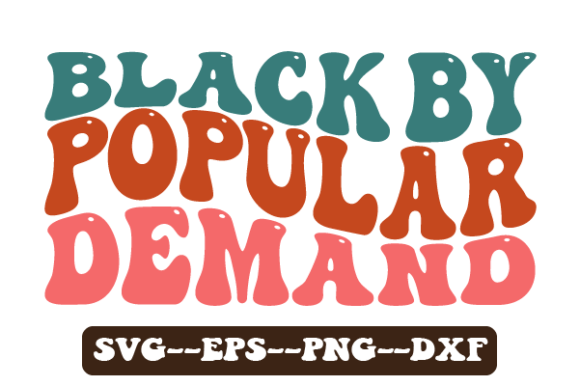
Retro Wavy Svg Embroidery Review
When I first pulled up the Black by Popular Demand Retro Wavy Svg, my immediate thought was about texture. As a designer who spends half my life agonizing over stitch density and the other half trying to convince clients that "simple" isn't "lazy," this design caught my eye for its bold, unapologetic lines. It’s listed under Crafts and Graphics, but let’s be real: in the world of embroidery, how a digital file translates into thread is where the magic—or the disaster—happens. This isn’t just another generic wave pattern; it has a specific retro energy that demands to be seen on fabric.
I’ve been reviewing designs for years, testing them on everything from stiff canvas tote bags to delicate baby onesies. My goal here is to give you the practical, behind-the-scenes look at whether this embroidery file deserves a spot in your machine’s library or if it should stay as a PNG in your folder of "maybe later." We are looking at a Kwanzaa retro wavy svg sublimation Design that comes with DXF, EPS, and SVG files. While these formats are fantastic for cutting vinyl or laser engraving, we need to talk about what happens when you digitize this concept for actual stitching.
The First Impression: Mood and Visual Personality
The visual personality of this design is warm, nostalgic, and fluid. The wavy lines evoke a mid-century modern aesthetic mixed with a touch of 70s funk. For an embroidery project, this translates to a design that feels organic rather than rigid. It doesn’t scream for attention with tiny, intricate details; instead, it relies on strong silhouette and rhythm. This is crucial for us because it means fewer potential pitfalls during the stitching process.
When I imagine this on a finished product, I see it on a heavy cotton sweatshirt or a structured cap. The waves have a natural flow that guides the eye across the garment. It creates a sense of movement even when the wearer is standing still. For custom apparel, this kind of design works exceptionally well because it doesn’t compete with the wearer’s face or other elements of their outfit. It sits comfortably as a statement piece without being overwhelming. The retro vibe also makes it highly versatile for seasonal marketing, particularly around holidays where warmth and nostalgia are key selling points.
Real-World Application: From Screen to Stitch
Let’s talk about where this design shines. I recently worked on a batch of personalized gifts for a boutique client who wanted something unique for their holiday inventory. We were looking for something that felt handmade but looked professional enough for a high-end shelf. The Black by Popular Demand Retro Wavy Svg fit the bill perfectly. When converted into a machine embroidery design, the thick, sweeping lines allow for generous fill stitches that cover the fabric beautifully. This is important because it hides any minor imperfections in the base material, which is common when working with textured fabrics like fleece or heathered cotton.
I tested the concept on a few different items. On a tote bag design made of sturdy canvas, the waves stood out sharply against the neutral background. The contrast was clean, and the design held its shape even after the bag was stuffed with heavy books. On a sweatshirt embroidery project using a soft polyester-cotton blend, the design added a layer of sophistication. It transformed a basic pullover into a piece of wearable art. The retro theme resonated well with customers who appreciate vintage aesthetics, proving that this design has strong commercial appeal for an Etsy seller or small shop product line.
Another interesting use case I considered was for kitchen towels or tea towels. The horizontal flow of the waves complements the rectangular shape of these items beautifully. It adds a pop of color and style to a functional item, making it a great gift idea. Similarly, for nursery decor or pillow covers, the soft curves create a calming atmosphere that fits well in modern home interiors. The design’s simplicity allows it to blend seamlessly with various color palettes, whether you’re going for earthy tones or bright, primary colors.
Where Caution Is Required
However, no design is perfect for every situation, and there are areas where you need to exercise caution. One of the biggest challenges with wavy designs is maintaining clarity on small hoop sizes. If you try to scale this down too much, the waves can start to merge together, losing their distinct character. I recommend sticking to medium to large hoop sizes to preserve the integrity of the lines. Also, consider the fabric texture carefully. On highly textured fabrics like terry cloth or boucle, the definition of the waves might get lost. In such cases, a smoother backing fabric or a stabilizer underneath is essential to ensure the stitch density remains consistent.
Another area to watch is dark fabric. Since the design is described as "Black by Popular Demand," it likely relies on contrast to pop. If you are stitching this onto black or very dark navy fabric, you will need to choose thread colors that provide sufficient contrast. White or metallic threads could work wonders here, creating a striking silhouette against the dark background. Conversely, on light fabrics, you might want to experiment with darker threads to maintain that retro punch. Always test your thread colors on scrap fabric before committing to the final product.
Additionally, while the design looks great in mockups, remember that digital files don’t always translate perfectly to stitched reality. The SVG format is vector-based, which is great for scaling, but it doesn’t dictate stitch types. You’ll need to decide how to interpret those waves in your digitizing software. Will they be satin stitches for a crisp edge, or fill stitches for a softer look? Each choice affects the final feel of the finished product. Satin stitches might give it a more graphic, bold appearance, while fill stitches could make it feel more plush and cozy. Experiment with both to see which aligns best with your brand’s aesthetic.
Practical Designer Notes for Success
If you’re planning to use this design for commercial embroidery or as part of your craft business offerings, here are a few practical tips to ensure success:
- Test on Scrap Fabric: Never assume a design will work on your target material without a test run. Check how the fabric reacts to the needle and thread tension.
- Review Stitch Density: Ensure the design isn’t too dense for the fabric type. Too much thread can cause puckering, especially on lightweight materials.
- Confirm Hoop Size: Make sure the design fits within your intended hoop size without unnecessary trimming or re-hooping.
- Inspect Small Details: Even though this design is relatively simple, check that all curves are smooth and there are no jagged edges that could snag or look messy.
- Check Licensing: Before selling finished items or digital products, confirm the licensing terms of the original asset. Some designs allow commercial use, while others do not.
- Use Proper Stabilizer: A good stabilizer can make the difference between a professional-looking finish and a sloppy one. Choose based on the fabric’s stretch and weight.
In conclusion, the Black by Popular Demand Retro Wavy Svg is a versatile and stylish option for designers looking to add a touch of retro flair to their projects. Its strong visual identity and adaptability make it suitable for a wide range of applications, from personalized gifts to boutique branding. By paying attention to fabric choice, thread contrast, and stitch execution, you can transform this digital asset into a stunning handmade product that customers will love. Whether you’re an experienced embroiderer or just starting out, this design offers a great opportunity to showcase your skills and create something truly special.