SHOP Local Retro Wavy Svg Review
As a designer who spends more time than I care to admit staring at stitch charts and debating thread color palettes, I don’t just look for "pretty" graphics. I look for viability. When a file lands in my inbox with a title like SHOP Local Retro Wavy Svg, my first instinct is skepticism. The market is flooded with wave motifs, and the "retro" aesthetic has become somewhat saturated on platforms like Etsy and Instagram. However, the distinction between a design that looks good as a flat PNG and one that actually survives the embroidery process is where the real value lies. After evaluating this specific asset for potential use in small business merchandise and client projects, here is my practical breakdown of how it performs in the hoop.
First Impressions: Mood and Visual Personality
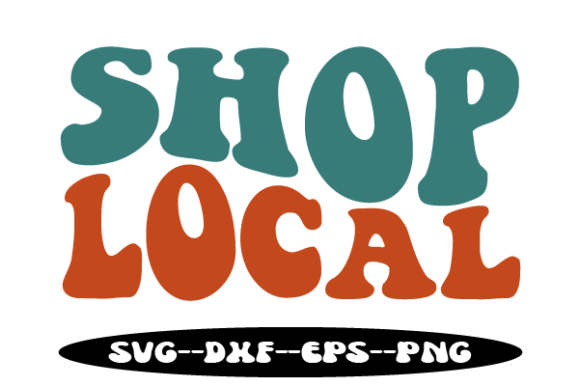
The immediate visual pull of this design is its nostalgic warmth. It taps into that mid-century modern sensibility that remains incredibly popular in boutique branding right now. The wavy lines aren’t just random; they have a rhythm that suggests movement without being chaotic. For a custom apparel project, this kind of layout works because it feels organic rather than rigid. It doesn’t scream for attention so much as it invites the viewer to lean in closer.
From a graphic design standpoint, the composition is clean. This is crucial for an embroidery file because every extra pixel or unnecessary anchor point can translate into wasted machine time or even skipped stitches. The "SHOP LOCAL" concept is integrated seamlessly into the wave structure, making it feel less like a slogan slapped onto a background and more like an integral part of the pattern. This cohesion is exactly what elevates a handmade product from a generic craft fair item to a piece of wearable art that customers are proud to display.
Real-World Application: Where Does This Design Shine?
I’ve been thinking about where this design would sit best in a retail environment. While the source files indicate DXF and EPS formats—often associated with cutting machines like Cricut or Silhouette—the visual weight of these waves translates beautifully to textile applications. If you were to digitize this or use it as a reference for a custom machine embroidery design, I see three primary use cases:
- Boutique Tote Bags: The wavy shape mimics the flow of fabric. Placing this on a canvas tote creates a dynamic interplay between the print/embroidery and the bag’s natural drape. It feels functional yet stylish, perfect for an Etsy seller targeting eco-conscious consumers.
- Sweatshirt Embroidery: On a heavy cotton blend crewneck, the retro vibe pairs exceptionally well with vintage washes. A centered chest placement or a left-chest pocket size would work well. The curves soften the boxy nature of sweatshirts, adding a touch of femininity or softness to the garment.
- Kitchen and Home Textiles: Tea towels and aprons are often overlooked in the craft business space, but they are high-volume items. The "Shop Local" message resonates strongly in home settings. A subtle embroidery of this wave on a flour sack towel adds a layer of sophistication that plain prints lack.
Imagine preparing a gift set for a holiday market. You have a matching set: a embroidered cap, a tea towel, and a tote bag. All featuring variations of this same wavy motif. That level of brand consistency builds trust. Customers recognize your style instantly. It tells them that you care about details, which makes them more likely to pay a premium price for your finished product.
Technical Considerations and Potential Pitfalls
Here is where we need to get practical. Just because a graphic looks good on screen doesn’t mean it will embroider well everywhere. The SHOP Local Retro Wavy Svg relies on continuous lines. In embroidery, continuous lines can sometimes suffer from "thread breakage" if the tension isn’t perfect, or they can look messy if the stitch density is too low.
If you are planning to use this on stretchy fabric like jersey knits for t-shirts, you must be careful. Waves can distort if the fabric stretches during stitching. Using a proper stabilizer is non-negotiable here. I recommend a cut-away stabilizer for heavier fabrics and a tear-away for stable woven cottons. Always test on scrap fabric first. If the waves start to pucker, you may need to adjust the underlay stitches or reduce the speed of the machine.
Another area to watch is small lettering. Depending on how the text is integrated into the SVG, tiny details might get lost if you are working in a small hoop size. Embroidery machines have a limit to how fine a line they can reproduce before it becomes a blob of thread. If the "SHOP" or "LOCAL" text is too thin, consider using a satin stitch border to give it definition, or opt for a slightly bolder font variant if you have access to edit the vector.
Fabric and Color Strategy
The contrast between your thread and your fabric will make or break this design. Because the waves are fluid, they benefit from high contrast. On dark fabrics, light pastel threads (like mint green, dusty pink, or cream) will pop beautifully against navy or black. On light fabrics, deep jewel tones or classic black thread provide a sharp, professional look. Avoid low-contrast combinations, such as grey thread on white fabric, unless you are going for a very subtle, tonal effect that requires close inspection to appreciate.
Also, consider the fabric texture. A smooth cotton duck canvas will render the waves crisply. A rough linen or a fuzzy fleece might cause the stitches to sink in, losing the definition of the curve. For textured fabrics, you might need to increase the stitch length slightly to ensure the needle penetrates fully without breaking.
Commercial Viability and Licensing
For those of us running a small shop product line, licensing is the elephant in the room. The description mentions DXF and EPS files, which are standard for sublimation and cutting. However, if you intend to use this as a base for an embroidery project that you sell commercially, you must verify the commercial license terms provided by the creator. Some licenses allow for unlimited physical sales but prohibit digital redistribution. Others may require attribution. As a professional, I always err on the side of caution: read the fine print. If the license is unclear, reach out to the designer. Protecting your business means ensuring you have the right to sell the finished product.
Furthermore, think about how you present this online. A printable mockup showing the design on a variety of backgrounds helps buyers visualize the final result. Show it on a tote bag, show it on a pillow cover, and maybe even a digital embroidery file preview that shows the stitch path. Transparency in presentation reduces returns and increases customer satisfaction.
Final Verdict
The SHOP Local Retro Wavy Svg is a versatile, mood-driven asset that fits comfortably into the current landscape of handmade and boutique goods. It avoids the trap of being overly trendy by leaning into a timeless retro aesthetic. Its success in embroidery will depend largely on execution: proper stabilization, appropriate thread choices, and mindful scaling.
It is not a complex design, which is its greatest strength. Simplicity allows for faster production times and lower error rates. For the creative entrepreneur looking to expand their catalog with affordable, high-margin items like tote bag designs or kitchen towels, this is a smart addition. It feels authentic, supportive of community values, and visually pleasing. If you approach it with the technical diligence required for quality embroidery, it will serve your brand well.
Before you commit to a large batch, remember to inspect small details, test it in black and white mockups to check balance, and confirm whether the design works for both personal and commercial projects. With the right preparation, this simple wave can become a signature element of your craft business, turning everyday items into memorable keepsakes.